Digital signage can completely change the way your business communicates with customers, but only when it’s done thoughtfully. From planning and content creation to hardware selection and performance tracking, every choice matters. Done right, digital signage is a powerful tool that can increase foot traffic, boost engagement, and even drive sales. Done poorly, it can be expensive and ineffective.
We’ve put together a comprehensive guide to the most important do’s and don’ts of digital signage so you can get the most out of your investment — and maybe even make your competition a little jealous.
Do: Start With a Clear Strategy
The first step to effective signage isn’t flashy graphics or expensive screens — it’s a plan. What do you want your signage to accomplish? Are you building brand awareness, guiding visitors through your space, showcasing menu items, or highlighting promotions? Defining your goals upfront ensures every piece of content supports a bigger purpose.
Think about your audience: who will see your signage, and what do you want them to do? Knowing this before you start designing will save you headaches later and help you create content that resonates. A little strategy upfront goes a long way in turning your displays into a marketing powerhouse.
Do: Prioritize Easy-to-Update Content
Digital signage shines when it’s flexible. Choose platforms and software that allow you to quickly make edits, schedule content, and even automate updates. Nothing kills engagement faster than outdated messages or content that can’t be updated without a trip to the screen itself.
The goal is real-time relevance. Your displays should reflect what’s happening now — whether that’s a flash sale, a new product arrival, or an upcoming event. If updating your signage feels like a chore, you’re not getting the full benefit of digital technology.
Do: Keep Messaging Simple & Visual
You have just a few seconds to capture attention, so make them count. Keep your text short and readable, use large, high-contrast fonts, and rely on striking visuals to tell your story. Avoid cramming in paragraphs or complex messaging — your audience is walking by, not sitting down with a coffee and a novel.
The most successful digital signage grabs attention instantly and communicates clearly in a single glance. Bold images, clear typography, and thoughtful color choices will help your signage make a lasting impression.
Do: Maintain Quality Hardware & Placement
Investing in commercial-grade displays is non-negotiable. Unlike consumer TVs, these screens are designed for continuous use, higher brightness, and durability in commercial environments. Combine that with smart placement — eye-level mounts in high-traffic areas — and you’ve got the formula for maximum visibility and impact.
Even the best content can fail if your audience can’t see it. Good tech plus thoughtful placement equals successful messaging.
Do: Consider Accessibility
Digital signage isn’t just for able-bodied viewers. Make sure your screens are ADA-friendly by placing them at accessible heights, using high-contrast visuals, and including captions on all video content.
Accessibility isn’t just the right thing to do — it’s smart design. Your content should be readable and engaging for as many people as possible. When everyone can engage with your signage, you maximize your impact.
Do: Track Performance
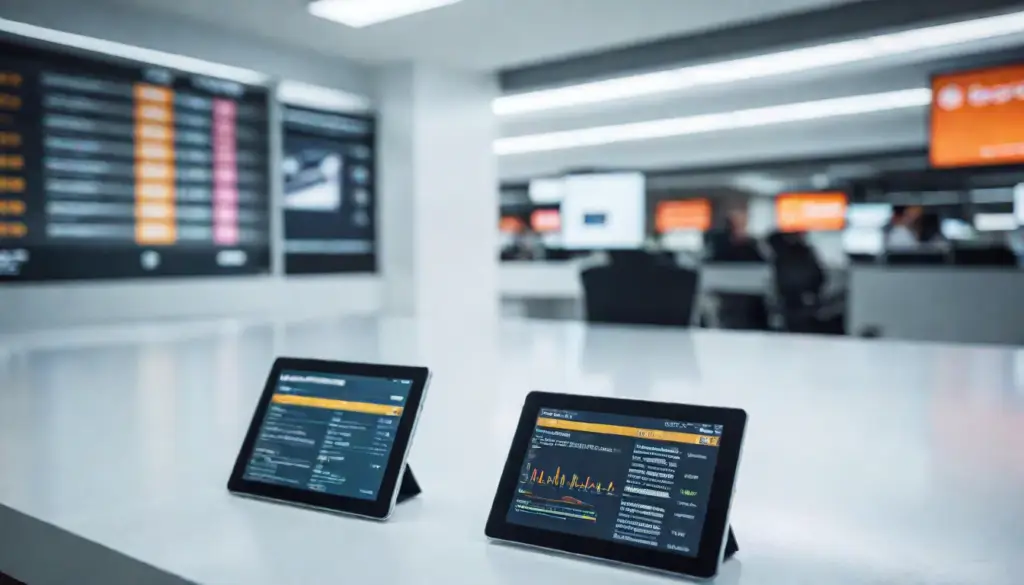
One of the biggest advantages of digital signage over traditional posters is measurability. Track engagement, dwell time, and conversions whenever possible. Some platforms even allow integration with POS or CRM systems to link signage directly to business outcomes.
Data should inform your decisions. Which messages are resonating? Which screens are underperforming? Tracking performance lets you continuously refine your strategy, ensuring every display is driving results.
Don’t: Treat Screens Like Posters
Digital signage isn’t print. Walls of text, small fonts, or overly dense graphics won’t engage your audience. Your content needs to be scannable in just a few seconds. Think motion, bold visuals, and concise messaging that instantly communicates your point. If a customer has to squint or spend too long reading, they’ll tune out — and your message is lost.
Don’t: Ignore Screen Size & Viewing Distance
Content that looks great on a phone or desktop can be unreadable on a 55-inch screen across a crowded lobby. Always consider the size of your display, the distance from which it will be viewed, and lighting conditions. If people can’t easily see or read your content, all your effort and investment won’t matter. Designing with real-world visibility in mind ensures your message is seen.
Don’t: Overload the Screen
It can be tempting to fit every promotion, statistic, and logo on one screen. Resist the urge. Too many competing elements confuse viewers and reduce engagement. Focus on one clear idea per display, use whitespace strategically, and keep your layout clean. Remember: the most effective messaging is simple, bold, and easy to understand in an instant.
Don’t: Use Consumer-Grade Hardware
Consumer TVs might save you money upfront, but they aren’t built to withstand constant use, high brightness, or commercial environments. Short lifespan, overheating, and lower image quality lead to frustration and costly replacements. Commercial-grade screens are designed to endure the demands of a business environment while maintaining clarity and performance over time.
Don’t: Forget About Sound (or Use It Poorly)
Audio can enhance an experience — or ruin it. Poorly calibrated volume or unclear audio can distract or annoy viewers. Always test your sound in the environment where the signage will be installed. Whether it’s background music, voiceovers, or alerts, make sure it’s clear, balanced, and complements the visual content rather than competing with it.
Don’t: Ignore Security
Your digital signage is part of your IT infrastructure. Neglecting security can put your business at risk. Use network segmentation, lock down devices, and keep all software up to date. Regular monitoring prevents unauthorized access and ensures your signage operates smoothly without technical or security disruptions.
Don’t: Set It and Forget It
Content staleness is one of the quickest ways to lose engagement. Even well-designed signage can fail if the content isn’t refreshed regularly. Plan a content update schedule, monitor performance metrics, and make changes as needed. Dynamic signage keeps your audience interested and ensures your displays remain relevant over time.
⚠️ Common Mistakes to Avoid
- Running slides too quickly for viewers to read
- Displaying low-resolution or stretched images
- Over-branding every slide to the point of distraction
- Skipping a backup content plan for emergencies
- Deploying signage without training staff or stakeholders
Why Digital Signage Works — When You Do It Right
Digital signage is more than a screen on a wall — it’s a strategic marketing tool. The key to success is a combination of planning, creativity, high-quality hardware, and consistent management. When you focus on strategy, clarity, and ongoing optimization, your signage doesn’t just display content — it connects with your audience, strengthens your brand, and drives measurable results.
Invest in the right technology, maintain brand consistency, and keep your messaging fresh. Done right, digital signage isn’t just an expense — it’s an investment that pays for itself many times over in engagement, loyalty, and conversions.
Ready to Transform Your Digital Signage?
Teksetra helps businesses like yours design, deploy, and manage digital signage networks that work. From commercial-grade hardware and expert installation to content management and ongoing support, we make the process simple, stress-free, and results-driven.
Don’t settle for static screens or guesswork. Partner with Teksetra and turn your digital signage into a powerful marketing tool that captivates, informs, and converts. Contact us today to get started.